UEFA and National Associations Withdraw from FIFA Competitions
UEFA and its 55 national associations have decided not to participate in FIFA competitions. Understand the impact of this decision on global football.
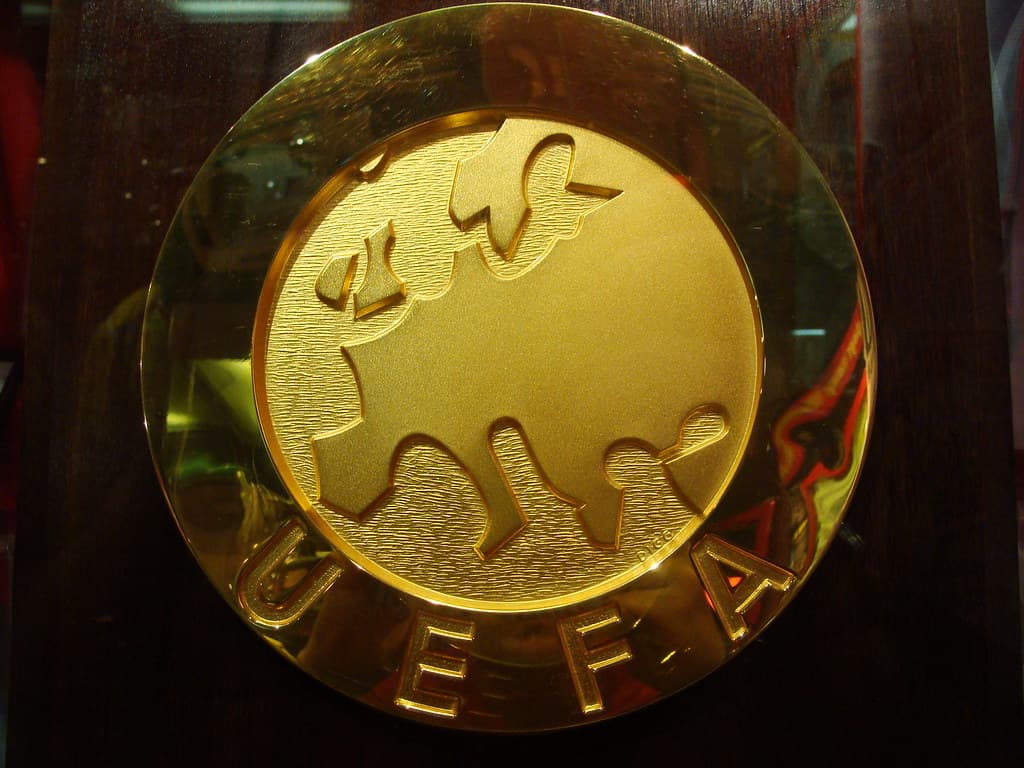
UEFA and its 55 national associations have announced that they will not participate in competitions organized by FIFA. This decision marks a significant moment in the world of football, reflecting growing tensions between the two main entities of the sport.
Historical Context
Since its inception, UEFA and FIFA have collaborated on various initiatives to promote football globally. UEFA, founded in 1954, is responsible for organizing some of the most prestigious competitions in Europe, such as the UEFA Champions League and the European Championship. Meanwhile, FIFA, founded in 1904, organizes the World Cup, the most-watched football event in the world. The collaboration between the two entities has always been crucial for the success of international football.
Reasons for the Decision
UEFA's decision to withdraw from FIFA competitions can be seen as a reflection of internal divergences. Although the official statement does not provide specific details, it is common for issues of governance, revenue distribution, and competition priorities to be at the heart of such disputes. UEFA may be seeking greater autonomy and control over its competitions and how football is managed in Europe.
Impact on European Football
UEFA's exit from FIFA competitions could have a profound impact on European football. European national teams, which traditionally play central roles in World Cups, will not be able to compete, potentially altering the dynamics of the tournament. Additionally, European clubs may face challenges in terms of global visibility and revenue opportunities that typically accompany participation in FIFA competitions.
International Reactions
The decision was met with surprise and concern by many in the football world. Officials, players, and fans are trying to understand the long-term implications of this decision. Some see the move as a sign of a permanent rift between the two entities, while others hope it will lead to negotiations that could eventually improve the relationship between UEFA and FIFA.
Possible Economic Consequences
UEFA's withdrawal may affect sponsorship and broadcasting agreements, as the visibility of competitions could be reduced. Companies that invest in advertising during FIFA events may reconsider their spending if European teams, which have large fan bases, do not participate. This could also influence TV rights revenues, which are a significant source of income for both organizations.
Alternatives for UEFA
With the withdrawal, UEFA may explore creating new international competitions to replace the loss of participation in FIFA competitions. This could include expanded European tournaments or new partnerships with other international confederations to organize alternative events. Such moves could redefine the international football calendar and offer new opportunities for European teams and clubs.
Fun Facts
- UEFA was founded in 1954, headquartered in Nyon, Switzerland.
- FIFA has organized the World Cup since 1930, with the first tournament held in Uruguay.
- The UEFA Champions League is considered the most prestigious club competition in the world.
- Since 1991, UEFA has organized the UEFA Women's Championship, the main women's tournament in Europe.
- The relationship between UEFA and FIFA has been marked by collaborations and tensions over the years.
Tips for Understanding the Future of Football
- Follow official statements from UEFA and FIFA for updates on negotiations.
- Watch the movements of other confederations for possible alignments.
- Consider the economic impact on clubs and leagues due to changes in international competitions.
- Evaluate how players and coaches respond to these changes in national team competitions.
Conclusion
UEFA's decision to withdraw from FIFA competitions represents an important milestone in the history of football. While the full implications are still unfolding, it is clear that this is a moment of significant change for the sport. Both UEFA and FIFA will need to work together to find a way forward that benefits football globally.
Frequently asked questions
› Why did UEFA decide not to participate in FIFA competitions?
UEFA decided to withdraw due to divergences with FIFA, possibly related to governance and revenue distribution issues.
› What are the consequences for European teams?
European teams will not be able to compete in tournaments organized by FIFA, such as the World Cup, altering the dynamics of those competitions.
› Can UEFA create new international competitions?
Yes, UEFA may explore creating new tournaments to fill the gap left by the withdrawal from FIFA competitions.
You might also like

Australia Requires Tech Giants to Pay for News
Discover how Australia is requiring major tech companies to pay for journalistic content and the implications of this.
Read article · 3 min read
The Smoke Screen of Tech Companies
Explore how tech companies create smoke screens to hide controversial practices and stay informed.
Read article · 3 min read
Connected Security: Jundiaí Innovates in Crime Prevention
Discover how Jundiaí uses advanced technology to prevent crime and protect its citizens with connected security.
Read article · 4 min read